
Seeking Answers to Milwaukee’s Homicides
While many around the globe were losing loved ones as a result of the COVID-19 pandemic, the people of Milwaukee were burying young men due to a rise in gun violence. Residents of the city’s north side have seen a 93% increase in the rate of violent crimes over the last year. Milwaukee-based photographer Sara Stathas joined Los Angeles Times reporter Kurtis Lee for a recent assignment that took them to the city’s predominantly Black neighborhoods to interview individuals who have witnessed and been affected by this epidemic of gun violence.
Sara was contacted by the LA Times’ director of photography, Mary Cooney, to collaborate with writer Kurtis Lee, who was researching the changing rate of homicides since the Coronavirus outbreak. Kurtis traveled to Milwaukee several times over the summer to meet with Sara, though he had already researched, sourced, and interviewed many of the subjects before their collaboration. Only a few individuals were unable to connect with Kurtis beforehand, and together he and Sara ventured to several areas in the community to speak with residents and business owners.
When a photographer and reporter share the same time slot with a subject, it can be challenging to ensure both parties have enough to go on. This assignment was a welcome change for Sara, who felt that Kurtis valued her perspective and ensured she had time to photograph and connect with the subjects. The two approached the assignment with compassion and professionalism, enabling them to work together to convey people’s stories authentically and respectfully.
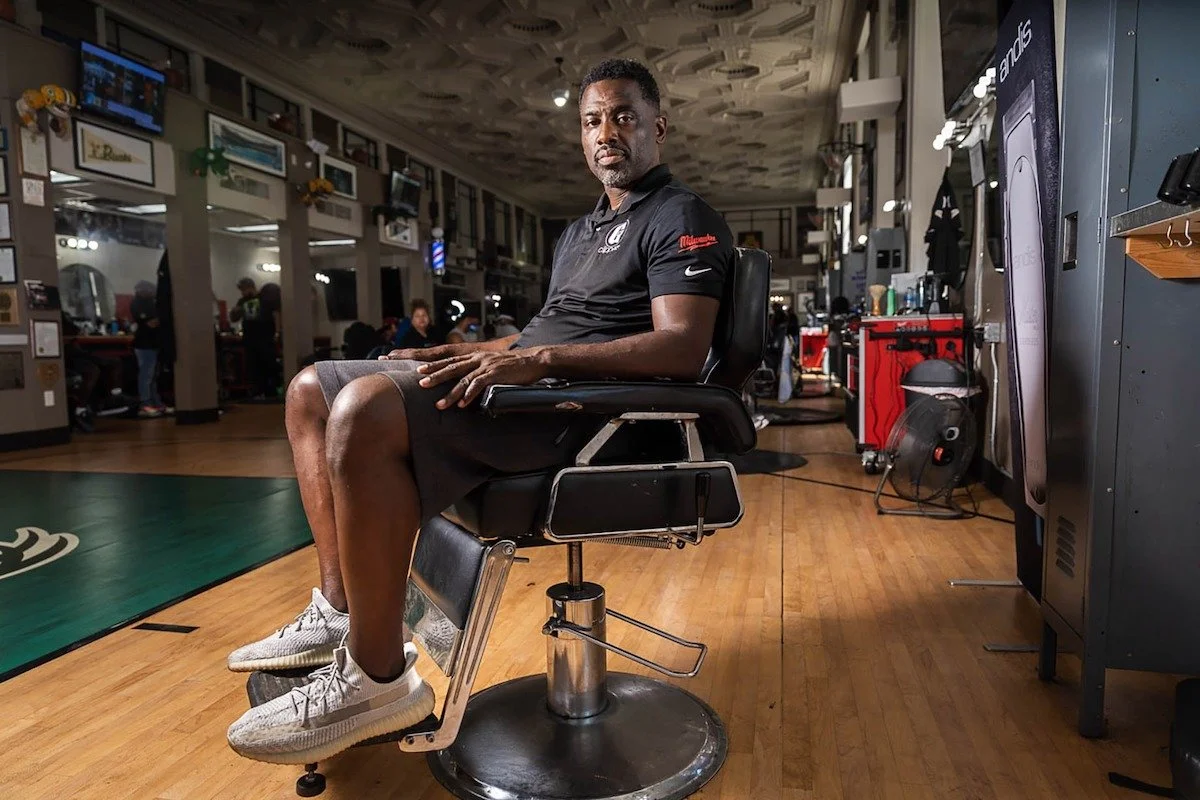
Sara’s connections as a photographer in her community helped subjects like Gee — Gaulien “Gee” Smith, who owns the barbershop Gee’s Clippers, open up about the violence that occurred outside another shop earlier this year. One of Gee’s friends and former employees, Yosef Timms, was brutally murdered while leaving his barbershop after a long day of work. The community has maintained a memorial outside the barbershop, which Sara took care to photograph from a distance, leaving space for two residents to walk by and pay their respects.
“I had photographed Gee before and he’s got one of the brightest personalities and biggest grins of anyone I’ve ever met. Timms’ murder was the purpose of my visit, so this time around the mood was somber at a typically upbeat establishment.”
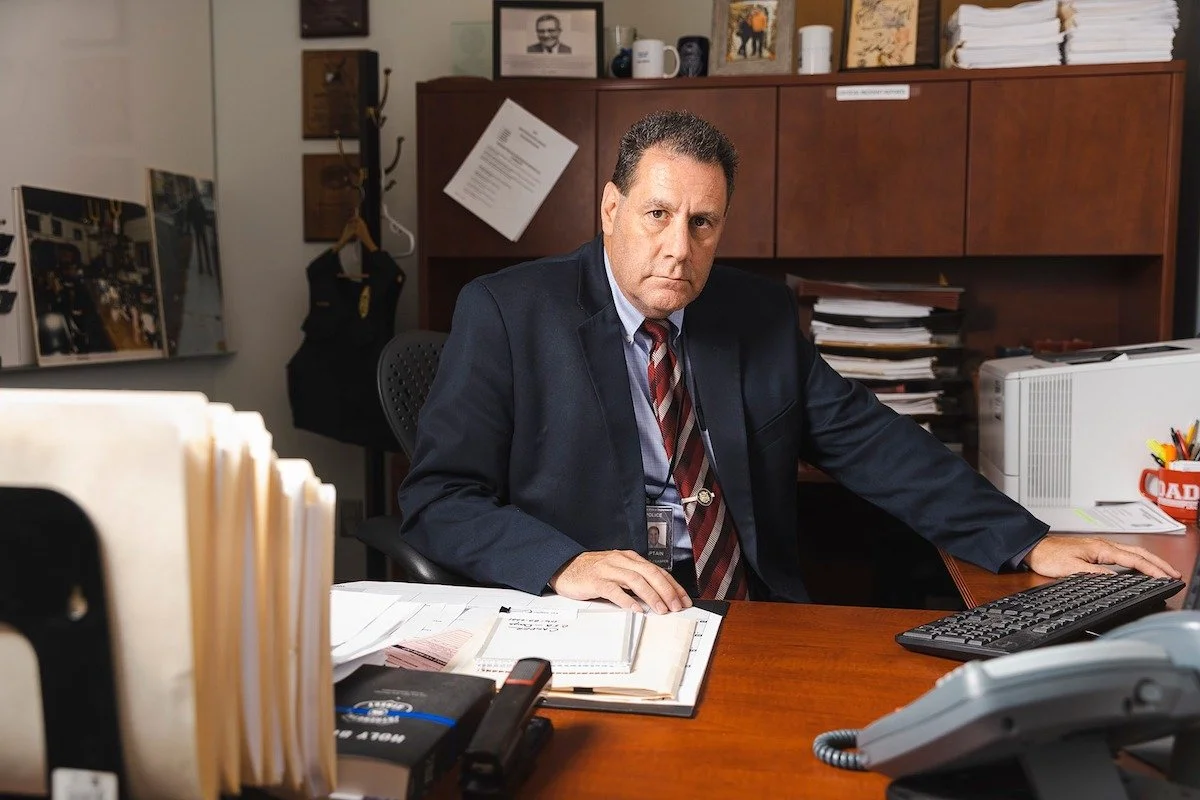
One unique aspect of the project was that the Milwaukee Police Department invited Kurtis and Sara on a tour of its homicide offices, where they interviewed both the homicide detective and the police captain. Seeing their everyday world up close, Sara found aspects of police work fascinating, especially those not depicted in modern television, like a rack of neckties that detectives can grab for a quick court appearance.
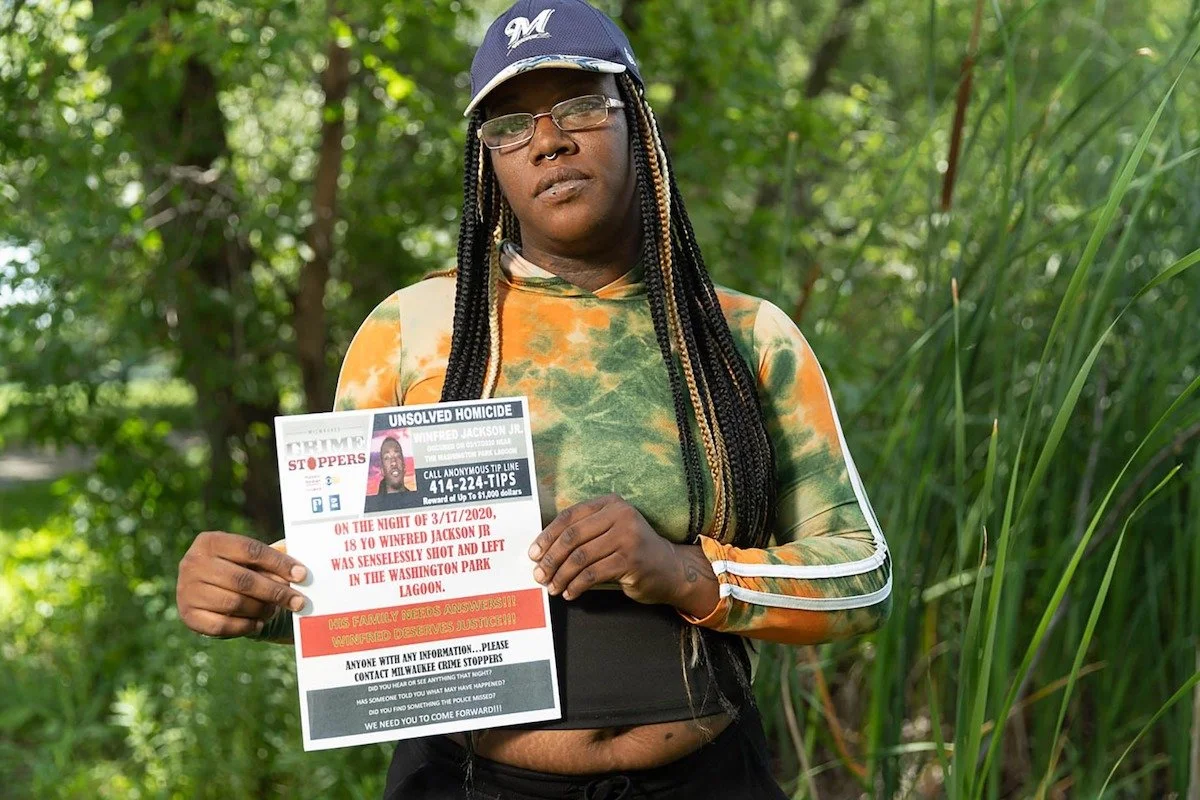
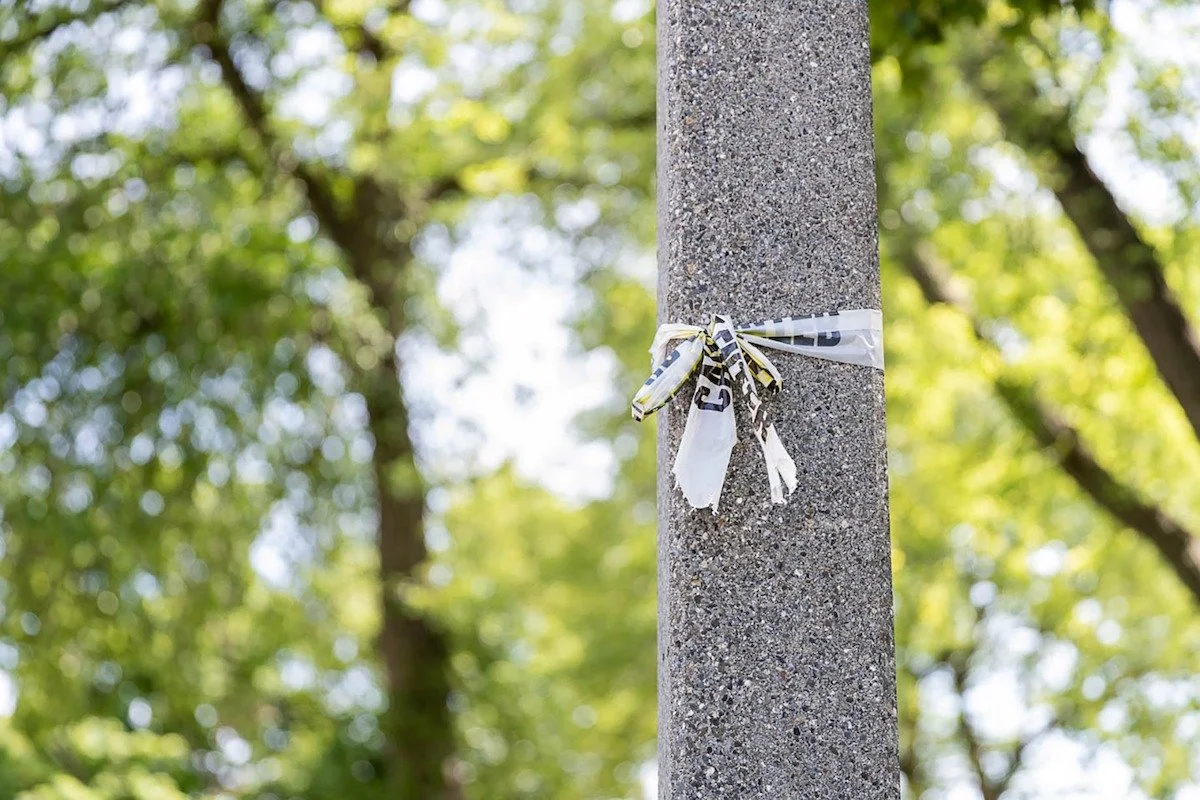
Yet with the heavy emotion that exists at the heart of this issue, Sara’s most meaningful sessions were with the victims’ families. She met Jalisa Martin at the park where someone found her brother’s body in March of 2020. As Sara photographed Jalisa at this incredibly haunting location, she noticed remnants with her photojournalistic eye, like the police tape tied to a light pole from the night of the crime. While she captured portraits of Jalisa holding the flyer asking for information about her brother’s unsolved murder, the story deeply affected Sara. She allowed herself space to process it before moving on to the next subject.
“When I finished taking photos I thanked Jalisa and told her how brave she was, showing up for this photoshoot, and telling her story. I cried when I got into my car, which is not typical after a shoot, and couldn’t stop thinking about Jalisa and so many other families in this city who are going through the same thing.”
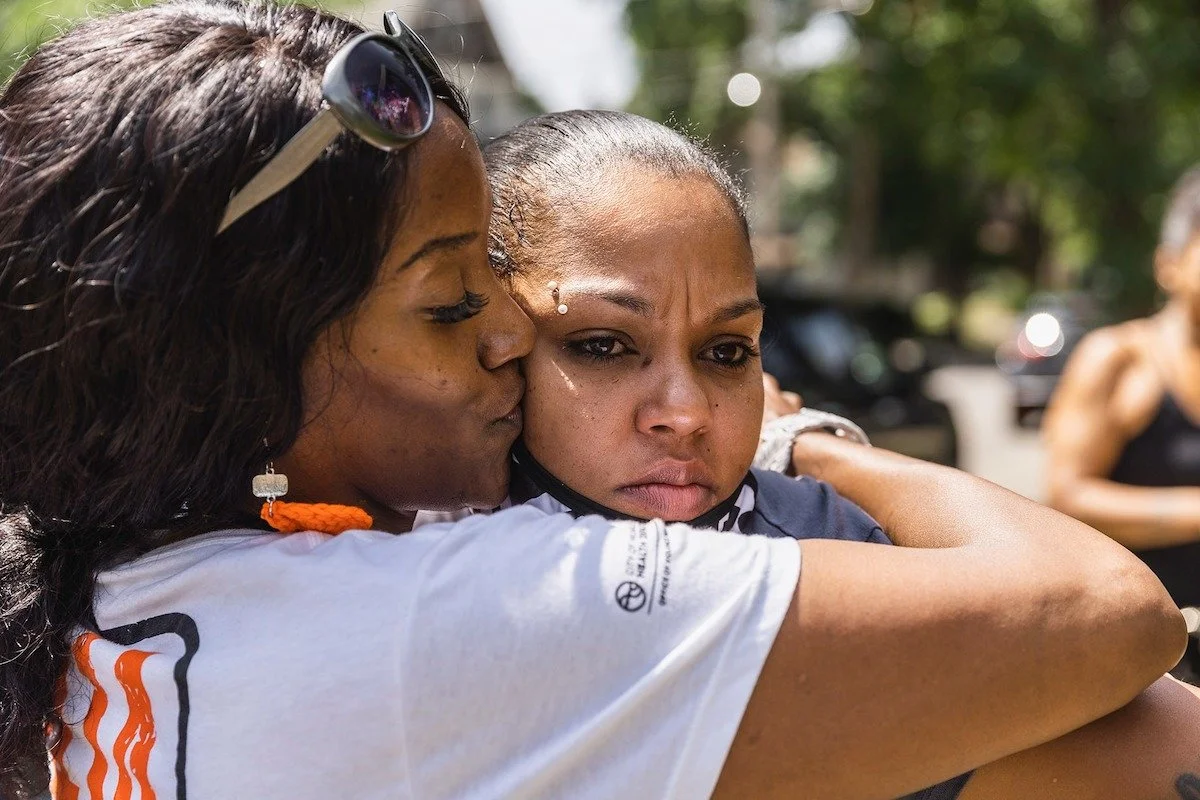
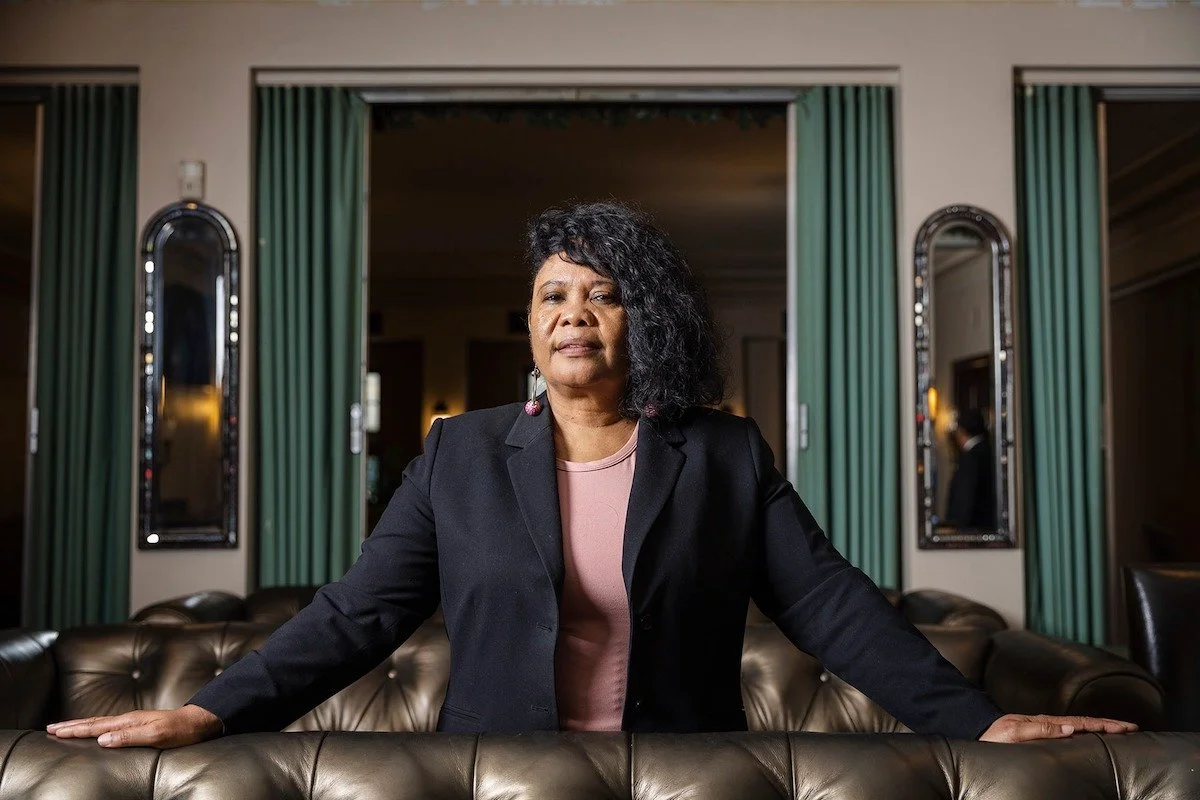
Sara also connected with Tonia Liddell, whose 414 Life program supports victims’ families in the first few days after a shooting. Tonia’s presence in the community is essential in the aftermath of this violence, and Sara saw firsthand the empathy she employs when aiding those who have lost loved ones. Tonia took Sara and Kurtis to the site where someone shot and killed her godson, Preston, in 2005, while he was sitting in his car with his girlfriend. She introduced them to Preston’s sisters, and while they asked some questions, Sara and Kurtis stepped back and bore witness to their shared grief.
“We all gathered next to the spot where Preston was killed, and held space with the women who still carry the loss of their loved one deeply. I photographed them as they talked, Kurtis asked some questions, but essentially Tonia and the sisters talked and cried.”
Sara’s biggest challenge was managing her emotions in the wake of the sorrow that came with each subject’s story. While she conducted herself with sensitivity around the delicate aspects of this project, Sara couldn’t help but connect to the heartache felt in her own community. When speaking about the assignment, Sara remarks that “this project was not an uplifting story.” Milwaukee is not the only community struggling with gun violence and record-breaking homicide rates, but it’s difficult not to feel helpless when hearing the personal testimonies firsthand.
“People like Tonia are working tirelessly to change things and make a real difference in the community, but it really feels like an impossible thing to change and I don’t know what I can personally do to help or what anyone could possibly do.”
What guided Sara through the more emotional areas of the assignment was her ability to act as a cultural anthropologist when documenting people’s stories. Sara briefly studied anthropology while in college, and it has since informed her ability to hold space with her subjects, to listen, take in, and observe their experiences before capturing their essence on film. While she can’t stop the violence, she can bring to light the situation the residents face and share their stories to empower people to shape a better future for generations to come.
This article was originally published on Wonderful Machine.
