
The Migrant Mothers of Mexico
When looking for her next subject, Mexico City-based photographer Lisette Poole is drawn to stories that speak to an individual’s resilience in the face of adversity. Her documentary work captures issues surrounding LGBTQIA activism and human migration across the Americas. Lisette uses her photography as a way to advocate for human rights by shining a light on crucial issues affecting marginalized groups.
While on assignment in Ciudad Juárez, Mexico, Lisette took notice of the struggles and strengths of mothers who await entry at the U.S.-Mexico border and decided to pitch the story to National Geographic Magazine upon her return to Mexico City. After successfully getting the go-ahead from the editor, she returned to the city to spend time with these strong women, who are actively seeking refuge for their families despite the many roadblocks ahead.
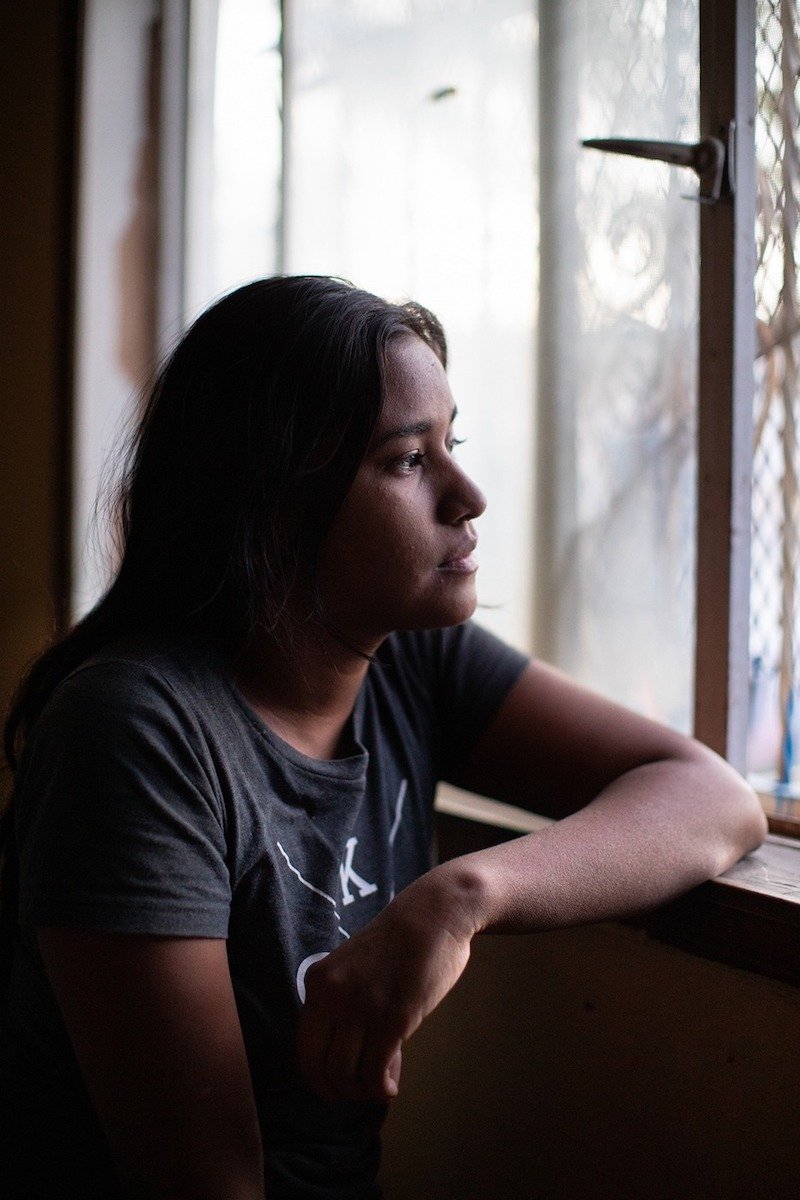
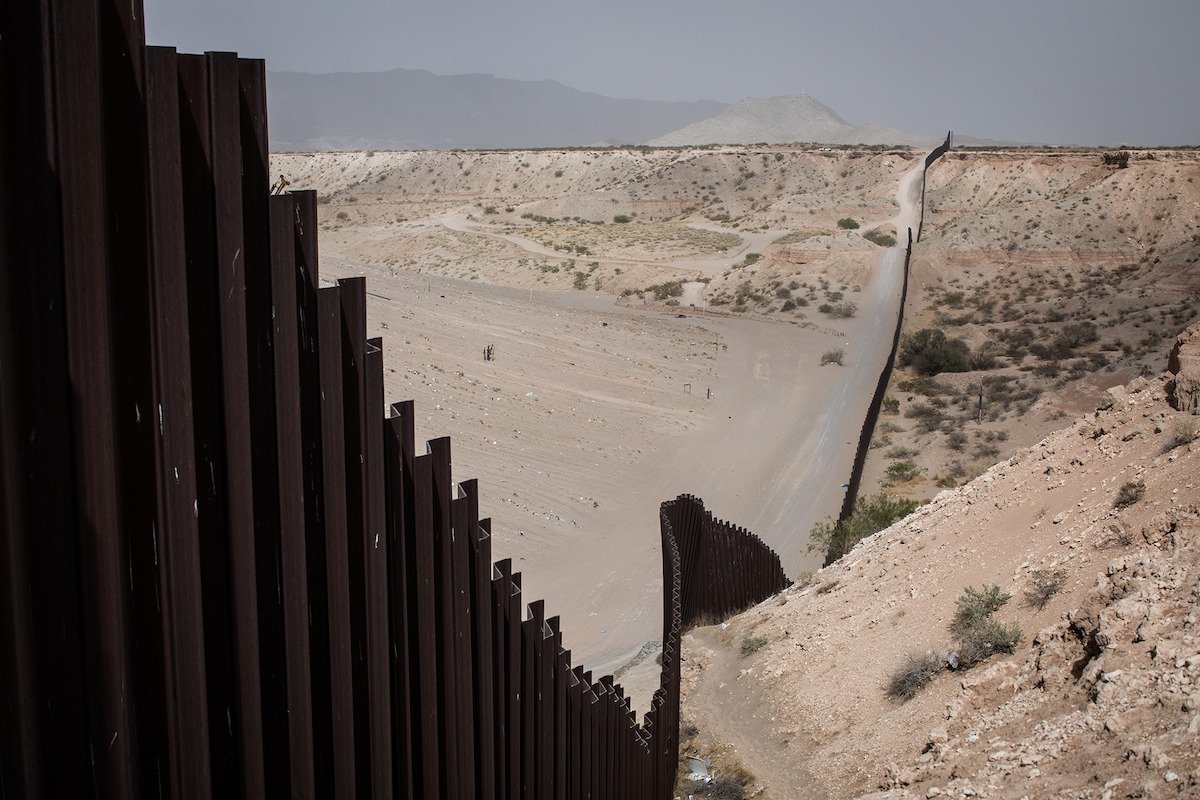
Lisette first ventured to the region in January 2021 with support from the National Geographic Covid-19 Emergency Fund for Journalists. Their organization established this division to tell stories that reflect the current challenges the pandemic has created for communities around the world. While visiting the medical clinic for migrants, Lisette witnessed the physical damage and emotional struggles these women endure as a result of the 18-foot steel wall that divides the two countries.
“One patient at the clinic, Olga, had fallen and sustained lasting injuries from the steel wall that divides the US and Mexico in some parts of the border. ”
Her first visit to Ciudad Juárez in January aligned with the inauguration of President Biden, which many hoped would mark the end of a strict border policy that left immigrants in unsafe conditions in Mexico. A small group of mothers she met at the border crossing to the U.S. had sent their young children across the border unaccompanied, relying on the laws of asylum to protect the immigrating minors. They waited at the border while the new leader took the oath of office, hoping his presidency would open the cold, steel doors that separated them from their loved ones.
“I watched as they waited, standing at that footbridge, the entrance to the United States.”
As a photographer, Lisette witnesses powerful moments in the world, and they deeply affect her. She returned to Mexico City carrying the image of a group of women waiting to be reunited with their children, and that memory drove her to share their story with a global audience. Through this project, Lisette sought to share these women’s perspectives on the realities of U.S. immigration.
“Before going back to Juarez we had a meeting with the writer and editors to discuss the idea. Later, the photo editor and I discussed possible visuals, but while I was on the ground photographing the assignment, the editor trusted me to tell the story the way I saw it.”
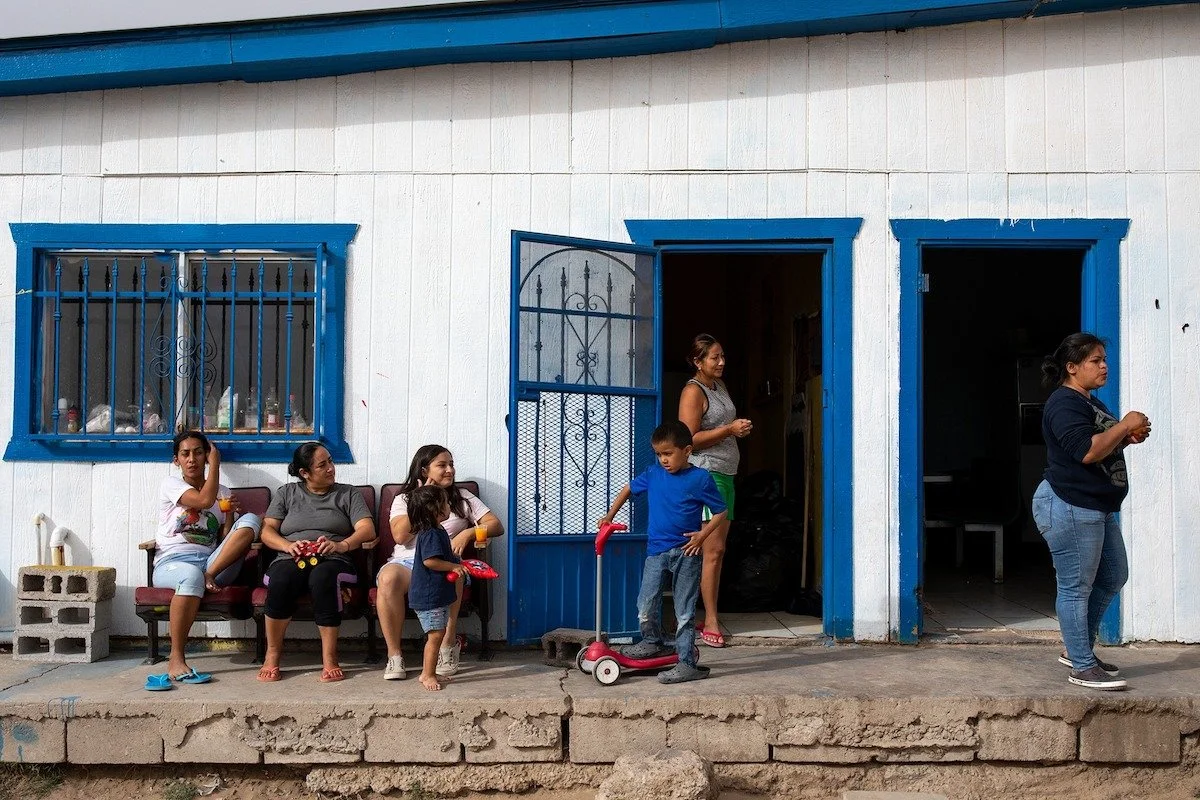
Writer Nina Strochlic accompanied Lisette upon her second trip to Ciudad Juárez, which was a welcome change from the solitary fieldwork she usually takes on. Working with the women at the Kiki Romero Migrant center, the two journalists collaborated as they moved through each story, finding ways to balance the written and photographic elements within the context of policy changes in both countries.
“Being able to talk out ideas with someone in real-time allowed us to respond to changes in the news and in each person’s story, making the reporting stronger and more nuanced.”
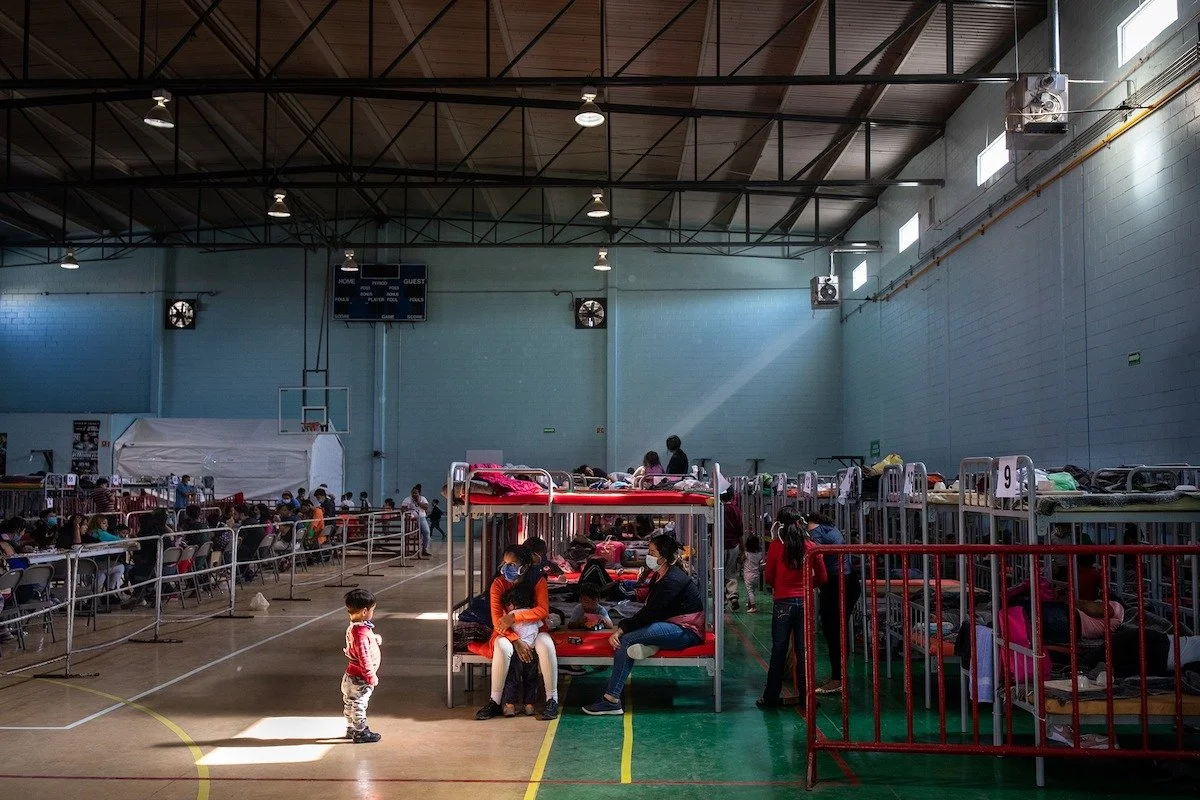
In their reporting, the women discovered that more migrants are attempting to cross the border than at any other time in the past 20 years. Now, the U.S. sends 70% of those families back to Ciudad Juárez to try to establish a life between the two worlds. The city responded by opening more migrant centers that could accommodate the single mothers and their families, acquiring supplies like milk and diapers for the thousands now under its care.
“This was something we talked about frequently, the setting of Ciudad Juarez and Mexico and what it meant to translate this to an American audience in a way that skirted stereotypes of violence. ”
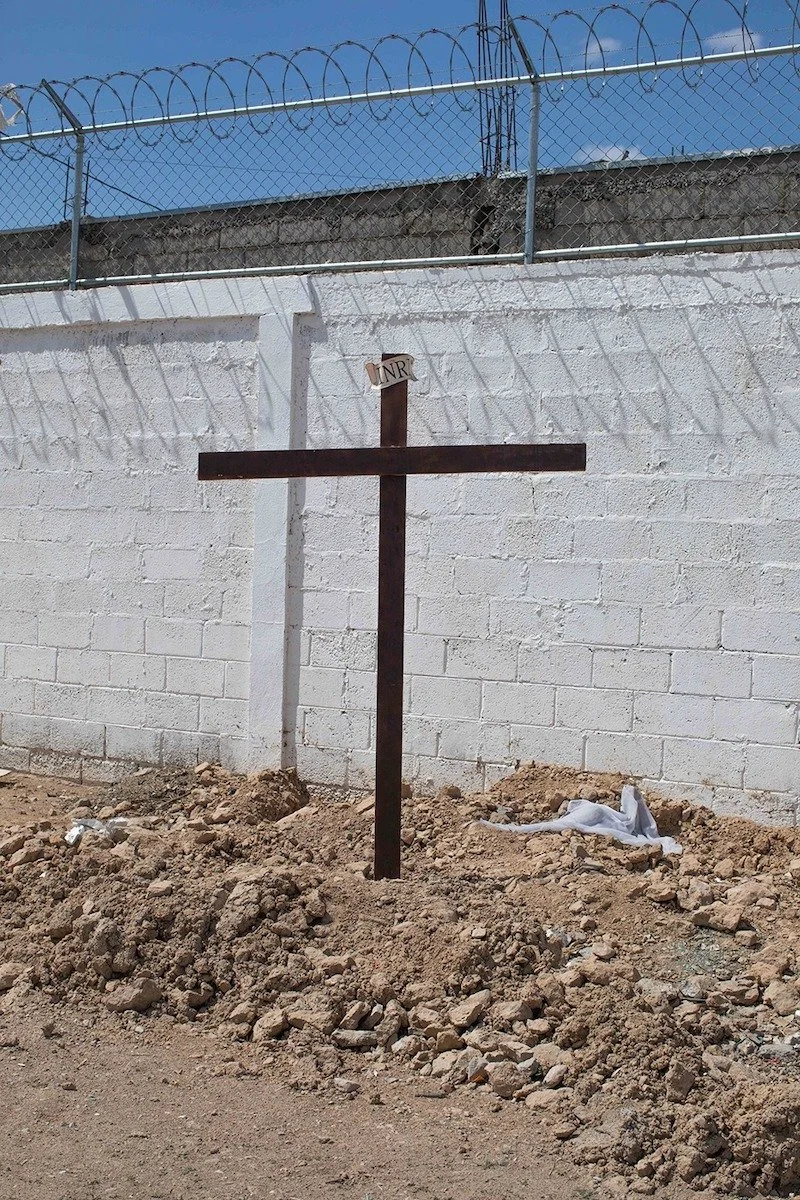
Many of the women she met in Ciudad Juárez were fleeing abusive relationships or gang violence, forcing them to seek a new life for their families. Now they face the threat of coyotes, those who prey on migrants seeking passage across the border, and cartels who threaten kidnapping, extortion, or sexual violence. Lisette built trust with the mothers and made sure they felt comfortable being photographed, sometimes concealing their identities to protect their asylum cases.
As Lisette spoke with more women at the shelter, she learned of the horrific way in which these mothers landed in Juarez. Officials transported the women from U.S. immigration centers; the women believed they were headed to permanent settlements, but officials instead flew them to Mexico. This was a result of Title 42, an aspect of the U.S. health laws that claims immigrants pose a threat to our public health due to the spread of COVID-19. Officials sent many back in the middle of the night, while they were still wearing the maroon shirts and gray sweatpants the immigration center had given them.
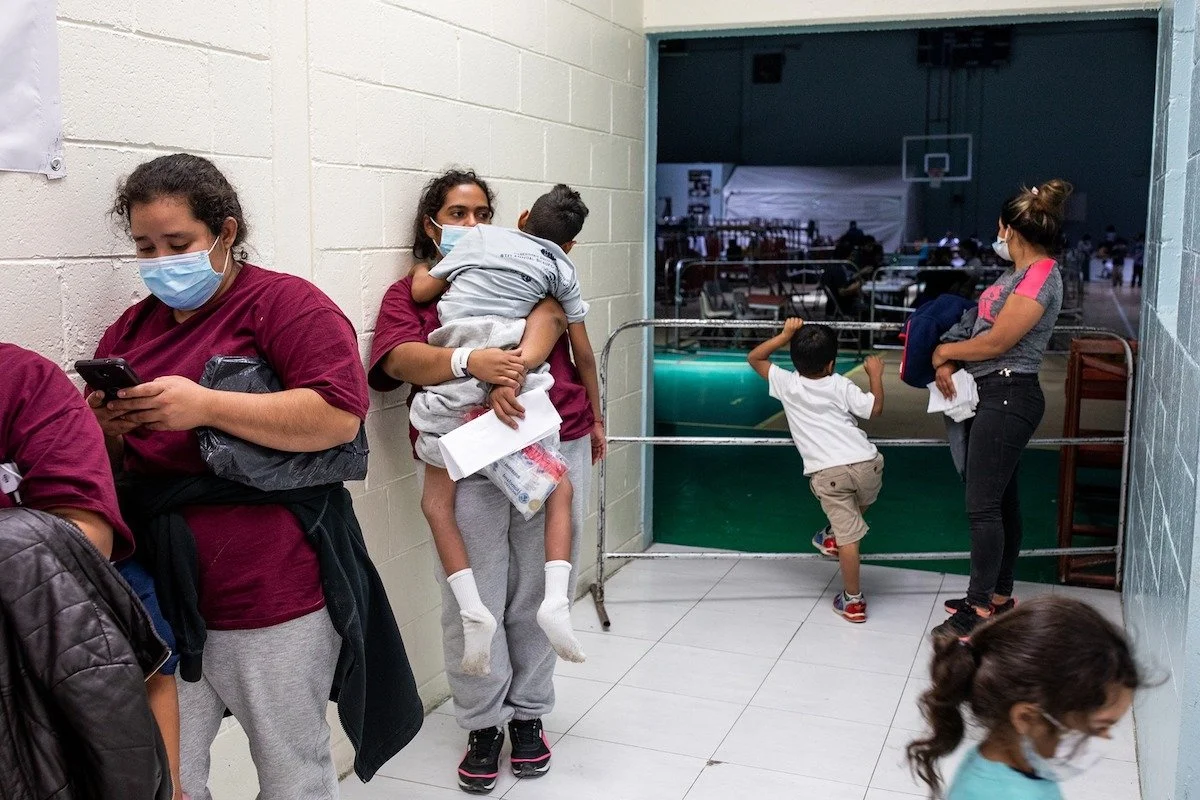
Lisette’s compassion and empathy for the migrant mothers she photographed guided her through this project, as she leveraged her platform to advocate for this vulnerable group of women. The lens through which she views the world has always informed her actions, as she seeks to tell the story of people in migrant communities and the very real issues they continue to face while seeking asylum. The hope is that by providing exposure to their stories, it will help enact long-term change in the policies that affect their day-to-day lives.
“I stayed in touch after I left Juarez so that I would know how their cases had changed during the time after photographing them, before the story was published.”
This article was originally published on Wonderful Machine.
